Everything About Aluminum Foundry: Secret Makes Use Of and Its Effect On Product Development
Aluminum foundries are important in modern-day production, particularly in markets such as automotive and aerospace. They use innovative strategies to produce light-weight, long lasting components that improve performance. The flexibility of aluminum also aligns with sustainability initiatives, making it a preferred material. However, the ongoing developments in casting approaches and their ramifications for product development raising essential questions. What future advancements might improve the landscape of aluminum foundries and their applications?
Introduction of Aluminum Foundries
Aluminum foundries work as important centers in the metalworking industry, specializing in the casting of aluminum and its alloys. These facilities use various methods, including sand casting, die casting, and financial investment casting, to change raw aluminum into usable kinds. Each casting technique uses unique advantages, dealing with different project requirements varying from small elements to big structural elements.
The foundries operate via a thorough procedure that begins with melting aluminum, followed by pouring the liquified metal right into mold and mildews. After cooling down, the castings undertake completing procedures, which may include machining and surface treatment to fulfill specific specs.
Quality control is vital, guaranteeing that the end products meet market requirements and consumer expectations. Furthermore, aluminum foundries usually stress sustainability by reusing scrap aluminum, consequently reducing waste and saving sources. This dedication to effective production and environmental obligation placements aluminum foundries as important contributors to the manufacturing landscape.
Key Applications of Aluminum Castings
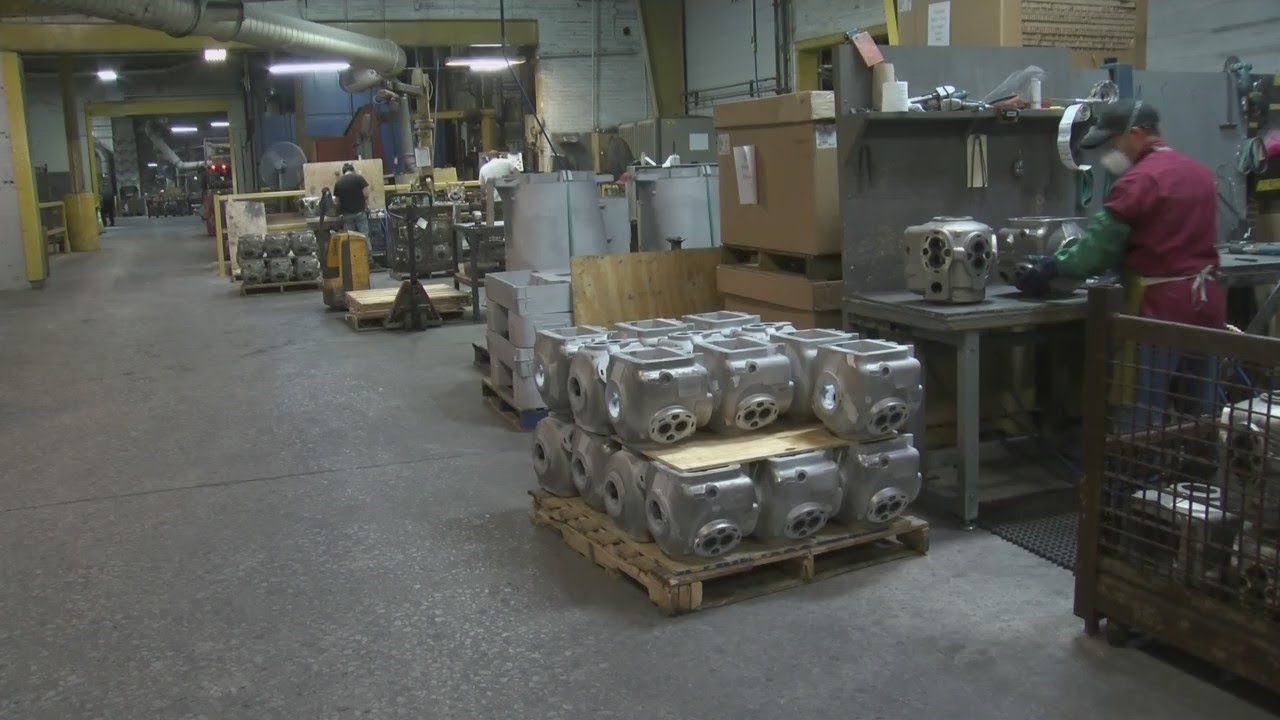
Aluminum castings offer essential duties in different markets, particularly in automobile and aerospace markets. In the automotive sector, they add to lightweight structures and reliable efficiency. Aerospace part manufacturing relies on aluminum castings for their stamina and rust resistance, necessary for high-performance applications.
Automotive Industry Applications
In the vehicle market, aluminum castings play an important function in improving car performance and performance. These castings are commonly utilized for parts such as engine blocks, transmission real estates, and suspension parts. Their light-weight nature adds to decreased lorry weight, which in turn boosts fuel economy and handling. In addition, aluminum's exceptional thermal conductivity permits for efficient warmth dissipation, necessary for high-performance engines. The corrosion resistance of aluminum additionally prolongs the lifespan of vehicle elements, reducing upkeep costs. Improvements in casting modern technologies make it possible for the production of intricate shapes, maximizing the style and capability of parts. Overall, aluminum castings are essential to modern-day vehicle engineering, supporting technology and sustainability in vehicle style.
Aerospace Component Manufacturing
The aerospace sector progressively counts on aluminum castings for a variety of vital parts because of their useful buildings. Lightweight yet strong, aluminum castings improve fuel performance and total performance in airplane design. Elements such as engine mounts, structural frameworks, and landing equipment are usually produced using aluminum casting methods, enabling makers to attain complicated geometries while keeping architectural honesty. The high resistance to deterioration and thermal residential properties of aluminum also contribute to the durability and integrity of aerospace components. Additionally, advancements in casting modern technologies, such as accuracy casting and 3D printing, have broadened the capacities of aluminum in this market. Inevitably, aluminum castings play an essential duty in conference stringent safety requirements and performance needs in modern-day aerospace applications.
Advantages of Using Aluminum in Manufacturing
While countless products are readily available for production, aluminum attracts attention as a result of its distinct mix of homes that enhance performance and efficiency. One substantial benefit of aluminum is its lightweight nature, which adds to decreased energy consumption and boosted fuel efficiency in numerous applications. In addition, aluminum exhibits exceptional deterioration resistance, prolonging the lifespan of products and minimizing maintenance prices. Its high thermal and electrical conductivity makes it suitable for warmth exchangers and electrical components, while its pliability enables functional layouts and complex shapes.
In addition, aluminum is recyclable, advertising sustainability in producing processes. This reusability not only preserves resources however also reduces the carbon impact connected with production. The versatility of aluminum to different alloys better improves its energy in diverse industries, from vehicle to consumer electronics. Collectively, these characteristics make aluminum a perfect selection for producers looking for to stabilize performance, cost-effectiveness, and environmental obligation.
Innovations in Casting Methods
Current advancements in casting strategies have greatly transformed the aluminum shop sector. The combination of 3D printing modern technology has allowed a lot more intricate layouts, while enhanced alloy formulations improve performance and toughness. These technologies are driving effectiveness and increasing the applications of aluminum in various sectors.
3D Printing Integration
Improved Alloy Formulas
Advancements in aluminum shop technology have led to the advancement of improved alloy formulas that improve casting efficiency and material buildings. These innovative formulas commonly include elements such as silicon, magnesium, and copper, which optimize toughness, ductility, and rust resistance. By fine-tuning the make-ups, suppliers can accomplish particular attributes customized to varied applications, from automotive to aerospace sectors. In addition, these boosted alloys promote far better fluidity throughout the casting procedure, decreasing issues and enhancing surface area coating. Because of this, the effectiveness of manufacturing is greatly enhanced while maintaining stringent high quality requirements. This development in alloy advancement not only improves manufacturing but additionally sustains the development of lighter, stronger components, inevitably progressing product development and performance.
Effect on Aerospace and Automotive Industries
The remarkable impact of aluminum foundries on the aerospace and automotive markets can not be overstated. Aluminum alloys, recognized for their lightweight and high strength, have actually changed the style and production procedures in both fields. In aerospace, the decrease in weight directly correlates to fuel performance, enabling longer trips and lower exhausts. Parts such as aircraft structures, wings, and engine components profit from aluminum's exceptional fatigue resistance and corrosion resistance.
In the automotive sector, aluminum foundries contribute to the manufacturing his explanation of lighter automobiles, enhancing efficiency and fuel economy while satisfying stringent ecological guidelines. Using aluminum in engine blocks, body panels, and wheels has actually increased substantially, driven by consumer demand for a lot more effective lorries. Additionally, technologies in casting strategies have boosted the precision and functionality of parts, making it possible for makers to establish more integrated and intricate designs, therefore fostering developments in both industries.
Sustainability Practices in Aluminum Foundries
Aluminum foundries are progressively welcoming sustainability techniques to decrease their environmental impact while satisfying the growing needs of the aerospace and automotive sectors. These practices include the application of energy-efficient technologies, such as electric melting heating systems and progressed heat healing systems, which greatly reduced power usage (Aluminum Foundry). Additionally, numerous foundries are focusing on using recycled aluminum, which requires less energy and leads to reduced greenhouse gas discharges compared to main aluminum manufacturing
Water preservation initiatives are also gaining grip, with foundries employing closed-loop systems to minimize water use and protect against contamination. Additionally, waste management approaches, including reusing scrap and reducing contaminated materials, add to a more sustainable procedure. By adopting these techniques, aluminum foundries not only improve their competition but additionally line up with worldwide sustainability objectives, eventually supporting a round economic climate and fostering advancement in environmentally you could look here pleasant manufacturing processes.
Future Fads in Aluminum Spreading Modern Technology
As the demand for light-weight and durable materials continues to increase, innovations in casting modern technology are poised to improve the aluminum industry. Advanced methods such as 3D printing and automated casting processes are obtaining grip, permitting for more complex geometries and minimized material waste. The combination of fabricated knowledge and equipment knowing is additionally enhancing quality assurance and process optimization, reducing problems and boosting performance.
The advancement of brand-new aluminum alloys is broadening the application range of cast products, making them ideal for sectors from automobile to aerospace. Improved reusing methods are expected to additionally lower environmental impacts, straightening with global sustainability objectives.
Furthermore, the usage of wise sensing units in casting processes is expected to make it possible for real-time tracking, ensuring better accuracy and uniformity. These fads represent a transformative period in aluminum casting technology, allowing producers to meet advancing market demands while prioritizing sustainability and development.
Regularly Asked Questions
Just How Is Aluminum Recycled After Usage in Products?
Aluminum recycling entails gathering, arranging, and melting made use of aluminum products (Aluminum Foundry). The molten metal is after that cast right into brand-new types, decreasing power intake and maintaining natural deposits, making it an effective and sustainable process for aluminum healing
What Safety And Security Measures Are Implemented in Aluminum Foundries?
Precaution in aluminum foundries consist of proper ventilation systems, individual safety equipment, normal safety training, equipment upkeep methods, and emergency reaction plans, all focused on lessening risks linked with heats and unsafe products during production.
How Do Aluminum Foundries Ensure Quality Assurance?
Aluminum foundries apply extensive quality assurance procedures, including material assessments, temperature level monitoring, and dimensional checks. These procedures assure item uniformity, lower problems, and stick to sector requirements, eventually boosting customer satisfaction and functional effectiveness.
What Are Typical Obstacles Encountered by Aluminum Foundries?
Aluminum foundries generally face obstacles such as keeping regular quality, handling manufacturing expenses, guaranteeing prompt delivery, dealing with tools maintenance, and adapting you can look here to advancing sector laws. These factors can substantially impact overall functional efficiency and earnings.
How Does Aluminum Casting Affect Item Weight?
Aluminum casting considerably decreases item weight because of aluminum's reduced thickness compared to other steels - Aluminum Foundry. This light-weight characteristic boosts design adaptability, boosts fuel effectiveness in transport applications, and supplies benefits in different markets requiring weight-sensitive elements